Culture Circle — Building Trust in India's Sneaker Resale Market
This product was at early stage, where design needed to establish credibility immediately, translate clear business goal, and a scalable design system. The platform later appeared on Shark Tank India, where the branding and website design were appreciated by Aman Gupta, hence validating the importance of strong, trust-first design in B2C products.
INDUSTRY
B2C
TIMELINE
Jan - Apr 2023
TEAM
1 designer, 2 founders and 1 developer
MY ROLE
Brand identity, logo and positioning, UX/UI design
About Culture Circle
Culture Circle is a premium sneaker resellers comparison platform that helps users discover limited-edition sneakers, compare prices across verified sellers, and buy with confidence. In India, sneaker resale is fragmented across Instagram pages, WhatsApp sellers, and small websites, with little transparency around authenticity or pricing. Culture Circle set out to become a single, trusted layer between sneaker culture and commerce.
Designing Culture Circle meant solving three interconnected problems:
Low trust: Fear of counterfeits and unreliable sellers dominates purchase decisions
Price opacity: Users manually compare prices across multiple sources
Hype vs credibility: Overly flashy design weakens trust in high-value purchases
Design Goals
Establish trust within the first scroll
Make comparison effortless and transparent
Support conversion without pressure
Build a memorable, premium brand
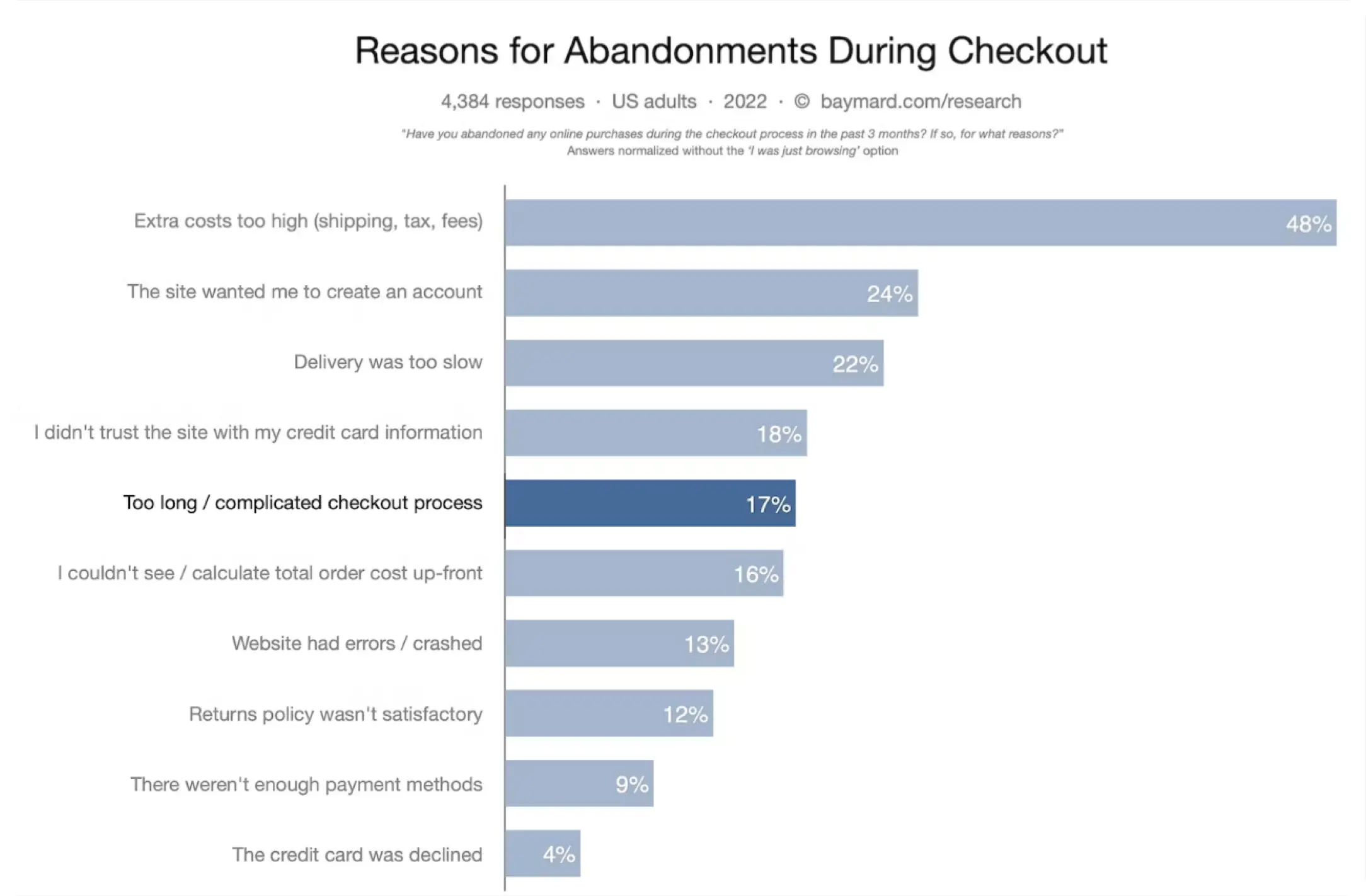
Most importantly make the checkout flow simple and trustworthy
Secondary research
I grounded the product in behavioral patterns from the sneaker resale ecosystem.
Analysis of Indian resellers on Instagram, WhatsApp, and web
Study of global platforms like StockX and GOAT
Trust signals from luxury resale and high-value tech products
Platform Type
Strength
Gap
Marketplaces
Inventory
No comparison
Online sellers
Access
No trust
Global platforms
Structured
Limited India relevance
Key insights
Users cross-check prices across multiple sellers before buying
Authenticity matters more than price
Visual maturity is equated with legitimacy
Structured comparison reduces anxiety
Brand & Visual Direction
Sneaker buyers, especially Gen-Z and collectors, are highly sensitive to visual cues. From early research, it was clear that overdesigned or overly loud branding is often read as unreliable in resale spaces.
We positioned Culture Circle as a neutral, informed platform that helps users evaluate options rather than push a purchase and explored three early directions:
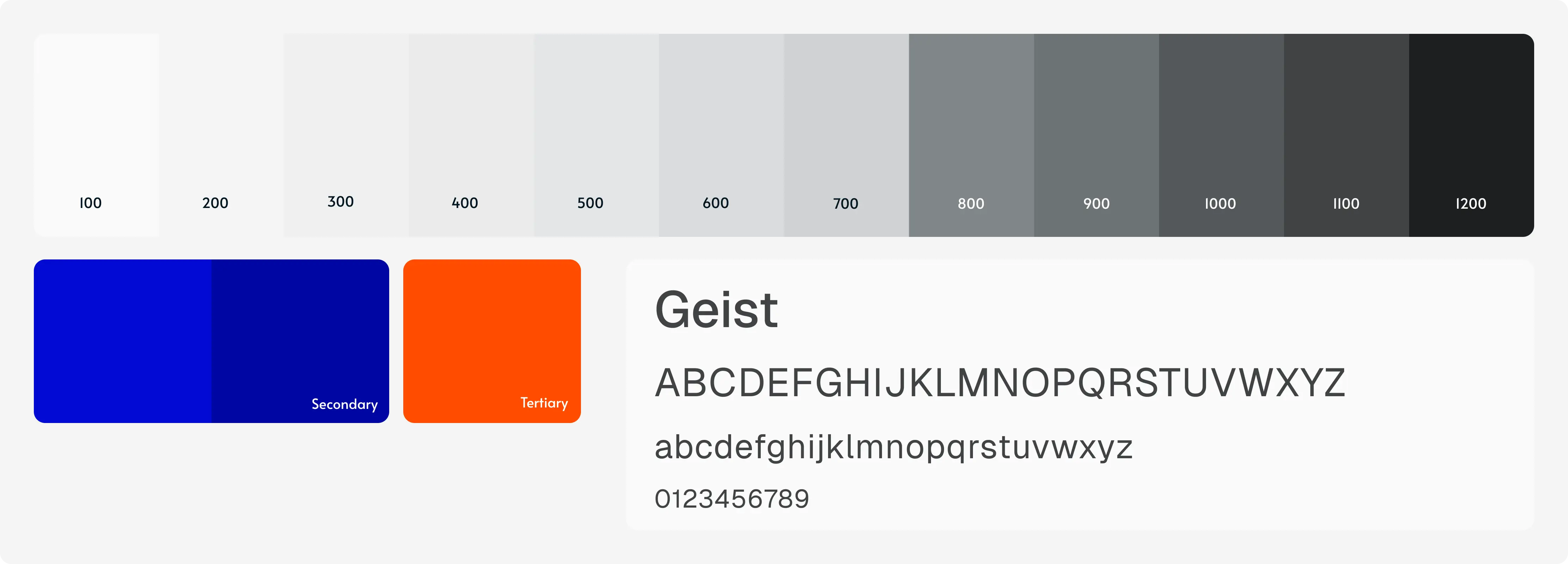
Typography: Simple sans-serif fonts chosen for legibility and consistency
Color: Neutral backgrounds to keep attention on sneakers and prices
Layout: Clear spacing to reduce confusion and scanning errors
Solutions and UX decisions
1. Comparison as the core experience
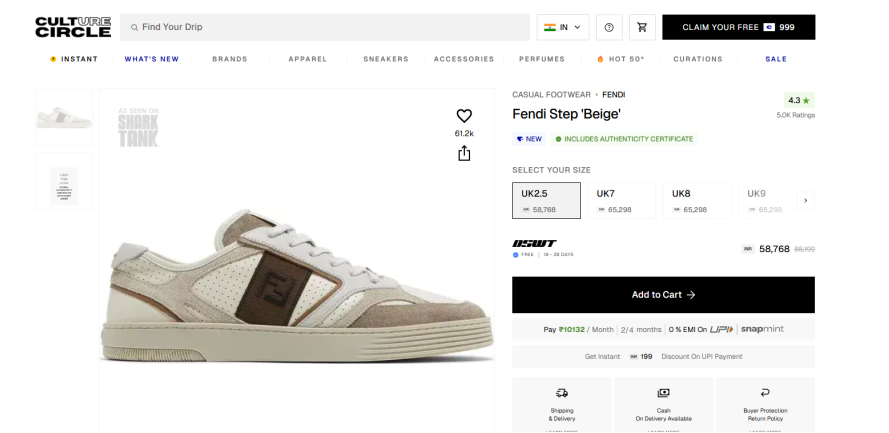
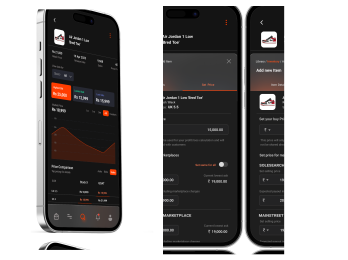
Price comparison is the USP of Culture Circle, and the aim was a unified product page showing:
Multiple sellers
Price differences
Delivery timelines
Trust scores
Side-by-side price lists with aligned rows
Clear indication of price differences without value judgments
Users could understand their options without doing mental math or switching tabs
2. Trust Cues Without Clutter
Instead of adding labels everywhere, trust indicators were used:
Near prices
Near seller names
At decision points
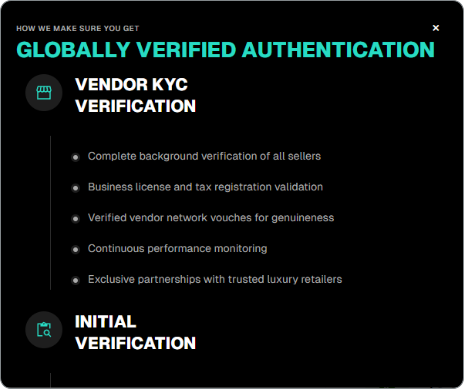
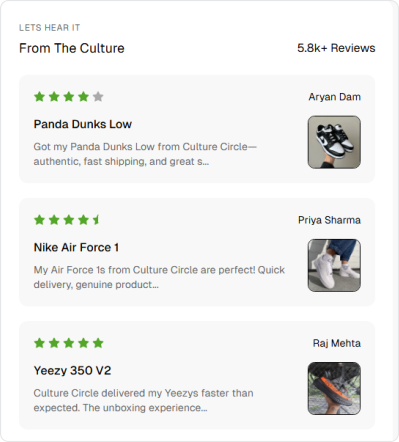
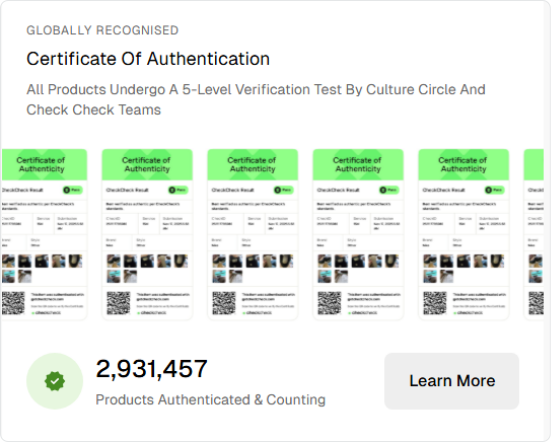
Transparent process: Make trust visible at every step using product authentication reports.
Placed trust indicators only where users hesitated like real user reviews, verification badges and also seller ratings.
3. Designing for fast browsing
Sneaker drops are time-sensitive, but pressure reduces confidence. The interface supports:
Fast loading pages
Clear visual hierarchy
Simplified navigation
The design doesn't rush the user. It lets them decide.
4. Post-Purchase Experience (Opportunity Area)
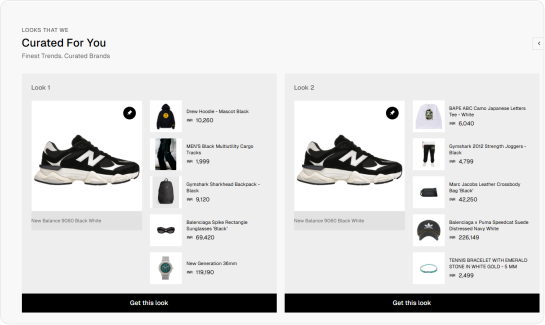
After purchase, a style references based on purchase history was curated for users. This acted as an additional delight.
Suggested styling: Curated trending styles based on user's purchase.
5. The checkout flow
The checkout flow was very important as the major dropouts were observed in this phase, hence we did an intensive research and looked into existing models, the pain points of users and tried to map a pattern that gained their trust.
Iterations & trade-offs
Early versions leaned into bold visuals and dense layouts. They looked exciting but slowed decisions. I traded excitement for clarity by simplifying layouts, reducing visual noise, and strengthening hierarchy around price and sellers.
Outcome & Impact
Featured on Shark Tank India and the design received direct appreciation from Aman Gupta
The product was perceived as structured and reliable, not just another resale page
Design along with right marketing shaped trust and resulted in early adoption.
Key learnings
Trust is the primary feature in high-value B2C products